What’s Driving Life Science Literature Reviews?

Systematic literature reviews (SLRs) are the backbone of evidence-based decision-making in life sciences. But not every SLR is submission-related. So, what purpose do these rigorous reviews serve beyond journal publication or HTA submission?  CapeStart’s 2024 Literature Review Research Report offers valuable insights into this question, with responses from 79 life sciences professionals actively involved in literature…

Top Barriers to AI Implementation in Life Sciences

The promise of Artificial Intelligence (AI) in life sciences is undeniable—offering advancements in drug discovery, clinical research, and evidence generation. Yet, many organizations still struggle to implement AI effectively. To better understand these challenges, CapeStart conducted a survey of 104 life science professionals, asking them:  What are the top three barriers to success for your…

The Three Business Areas Where AI Is Making the Biggest Impact

Across industries, businesses are turning to AI to address pressing challenges, drive innovation, and improve efficiency. According to CapeStart’s Life Science AI Research Report, organizations are increasingly identifying specific areas where AI can deliver the greatest value. By focusing on key business functions, companies aim to unlock new opportunities, streamline operations, and enhance their impact in highly…

AI’s Transformative Impact on Pharmaceutical Manufacturing

Artificial intelligence (AI) has significantly impacted the pharmaceutical business in several ways, from drug discovery and formulation to clinical trials and monitoring for adverse drug reactions. But AI can also help improve pharma manufacturing, distribution, and supply chain management by improving efficiency, safety, quality, and other processes. Here’s how AI can be used to improve…

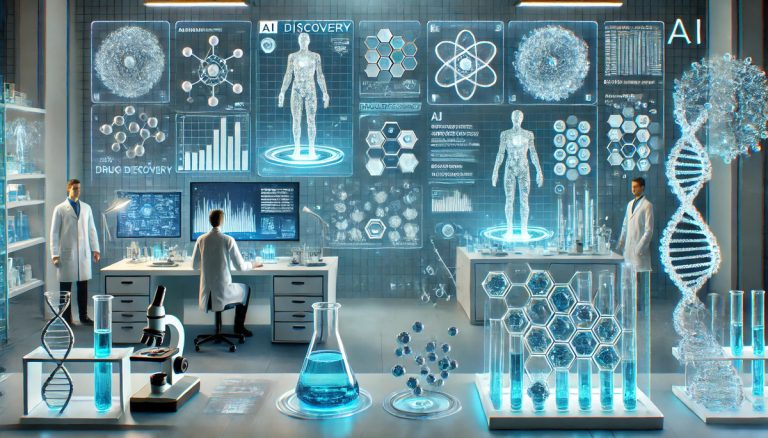
How AI Has Supercharged Molecular Simulation and Molecular Dynamics

Artificial intelligence has proven invaluable across many applications in countless industries. But, one of the most promising areas in which AI has recently made an impact is structural biology—in particular molecular dynamics (MD), or the simulation of the makeup and movement of molecules and atoms. Researchers can use powerful AI models to learn more about the structures…

GPT4 Turbo vs. GPT 4o: Which New Model Is King?

The pace of change in the AI world is staggering, so much so that it’s not always easy to keep up. That’s why we’ve put together this brief guide on the differences between the two newest (as of July 2024) additions to OpenAI’s GPT family: GPT4 Turbo and GPT4o (Omni). Let’s examine what makes each…

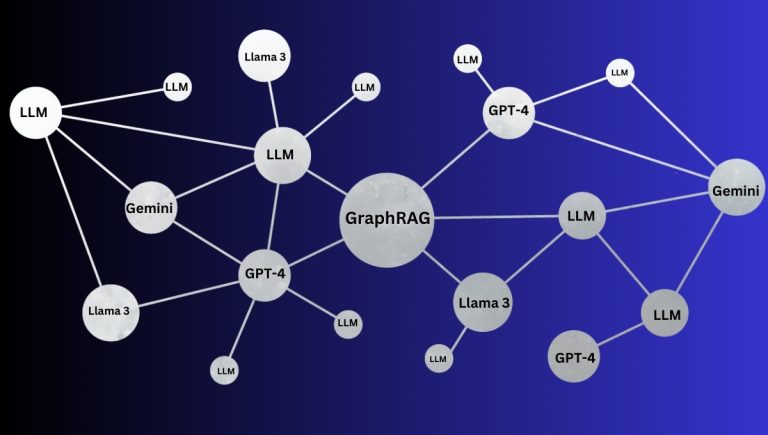
What is GraphRAG? Is it Better than RAG?

Graph Retrieval-Augmented Generation (GraphRAG) is an advanced approach in natural language processing (NLP) that combines the strengths of graph-based knowledge retrieval with large language models (LLMs) such as GPT-4, Llama 3, and Gemini. The core idea behind GraphRAG is to improve the generation of coherent and contextually relevant text while reducing AI hallucinations by leveraging structured…

The Battle of the LLMs: Llama 3 vs. GPT-4 vs. Gemini

We’ve come a long way since GPT initially took the world by storm. These days, many organizations routinely incorporate large language models (LLMs) into their daily processes to improve productivity, and there are now around 40 LLMs in use worldwide.  Users can even vote for their favorite bots using this tool. But in this rapidly evolving landscape, three models…

What is Retrieval Augmented Fine-Tuning (RAFT)?

Large language models (LLMs) have proven valuable tools for a range of business applications. However, they are not always perfectly suited to every business use case right out of the box. Until now, adapting and optimizing LLMs to improve performance and reliability in specific use cases has typically been handled by one of two approaches:…