How Quantum Machine Learning Will Boost Pharmaceutical Drug Discovery

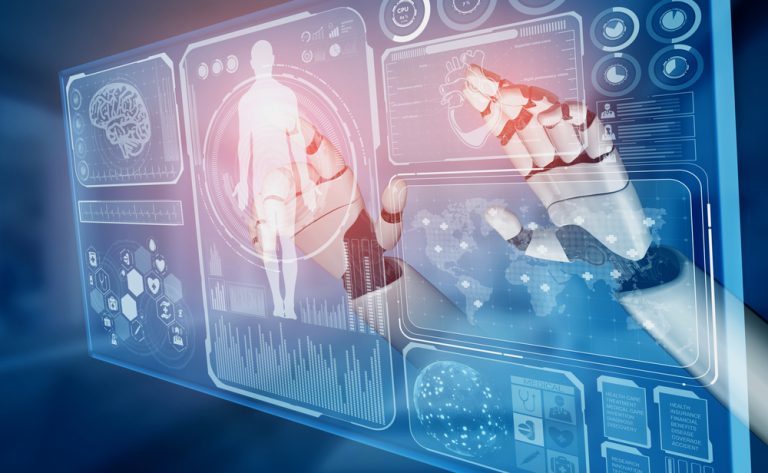
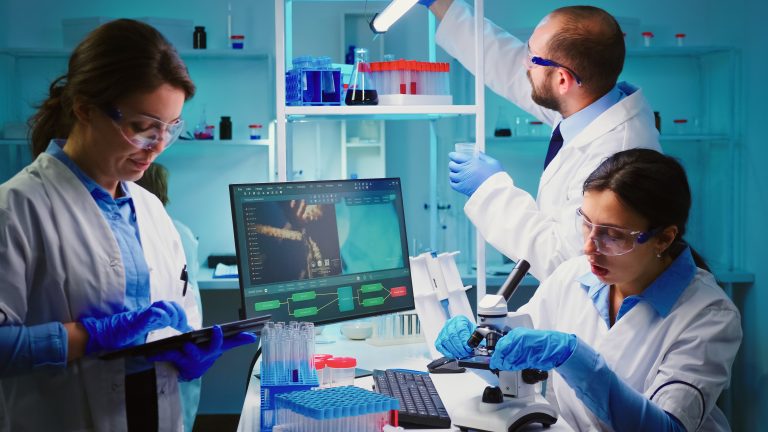
Ever since the discovery of the first-ever synthetic drug in 1869, chloral hydrate, pharmaceutical companies have competed fiercely to find the next miracle medication. But current drug discovery approaches – which incorporate modern computing, artificial intelligence (AI), and machine learning (ML) – are often limited by the capabilities of classical computational technology.  That’s why advanced companies and researchers…
How AI Systems Can Improve Healthcare Diagnosis and Treatment

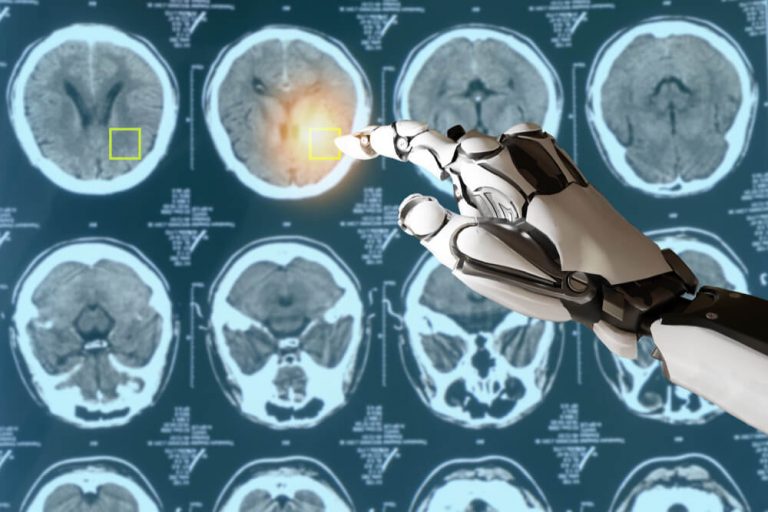
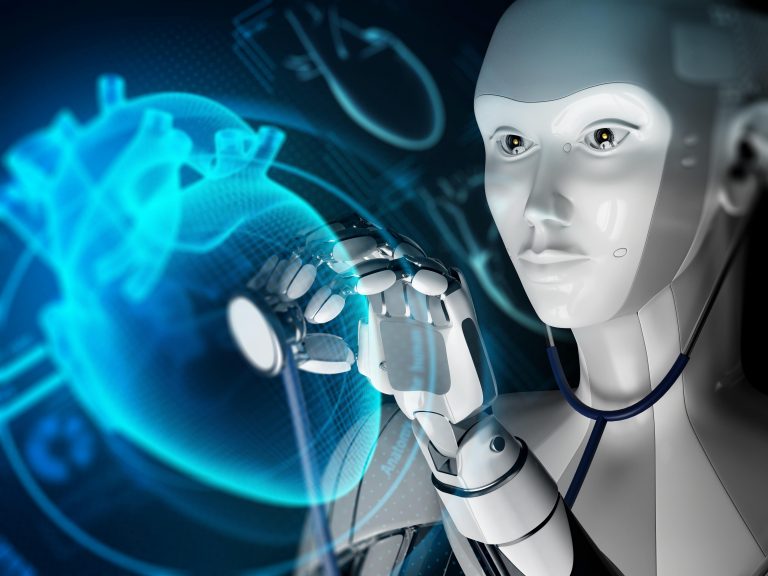
In our last blog post, we took a deep dive into how artificial intelligence (AI) and machine learning (ML) help healthcare organizations engage patients more efficiently. Not only does using AI help lower patient engagement costs, but it also improves communication between patients and organizations, assists with patient follow-up, and frees resources for more value-added tasks.…

How AI in Healthcare is Revolutionizing (and improving) Patient Engagement and Adherence

Big data, artificial intelligence (AI) and machine learning (ML) are already impacting healthcare in numerous ways – from diagnostics to treatment, to everyday administrative processes, including scheduling or tracking regulatory compliance. But perhaps the most noticeable, at least for patients, is how AI is helping to revolutionize patient engagement and adherence. Patient engagement has been…

How AI is Transforming Pharmacovigilance and Drug Safety

Pharmacovigilance – also known as PV, PhV, or drug safety – is a vital component of the drug development process, for protecting the health and safety of healthcare consumers and keeping drugmakers informed of any adverse drug reactions (ADRs) their products may cause in specific individuals. PV involves “identifying, tracking, evaluating and preventing negative outcomes”…

How to Make AI and ML-Based Medical Image Analysis Better

Medical images such as computed tomography (CT), magnetic resonance imaging (MRI), mammograms, X-Ray types such as fluoroscopy and angiography, and ultrasounds are a valuable trove of potentially life-saving data for healthcare researchers, providers, and their patients.  But these kinds of images also present unique challenges that have traditionally limited radiologists’ effectiveness in diagnosing and treating…

5 ways healthcare organizations and researchers are fighting COVID-19 with AI

On Dec. 30 of last year, Healthmap, an artificial intelligence (AI)-driven data mining system that scans disparate data sources for signs of disease outbreaks, spotted unusual activity about a new type of pneumonia cropping up in China. One day later, AI outbreak risk software solution BlueDot began sounding a similar alarm after scanning thousands of…

Medical Image Annotation

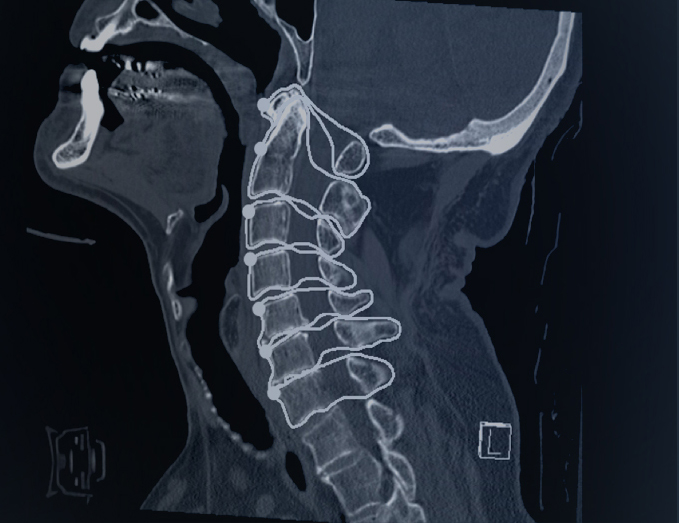
Continuing on the subject of healthcare, the demand for annotating and retrieving medical images is growing faster than ever. CapeStart has been serving this sector with image annotation. Our medical imaging technicians work with x-ray, magnetic resonance imaging (MRI), and computed tomography (CT) images by annotating, contouring, segmenting, lesion detection and scoring, and more. Medical…

Introducing ProNotate – A Cutting-Edge Data Labeling Platform for AI

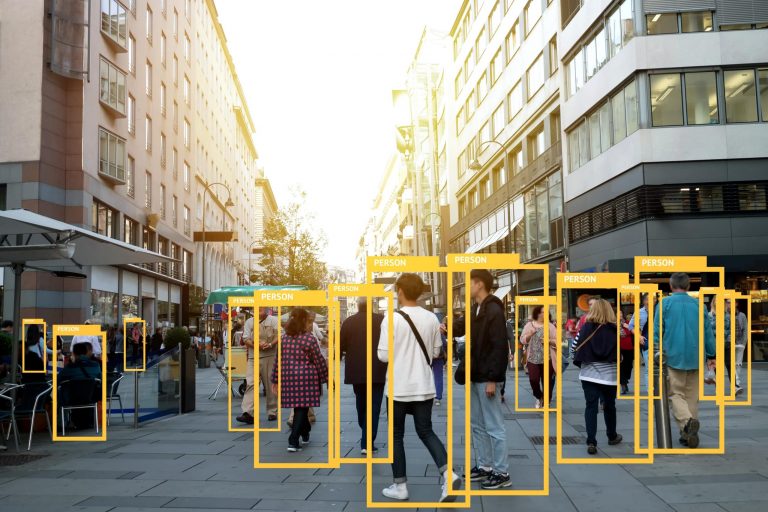
We are excited to announce our latest launch – ProNotate, a web-based and collaborative data labeling platform for enterprises. ProNotate enables enterprises to meet industry requirements in training expert machine learning applications. With a distinctive and user-friendly interface, ProNotate makes it easy to annotate and label many different data types (such as image, text, and…

Classify Thousands of News Articles at the Click of a Button

Most in the media monitoring sector are familiar with the idea that extracting insights from unstructured texts can be an incredibly tedious job. Luckily, text classification software can simplify the job for human analysts, saving them valuable time, and leading to more accurate results overall. Our core Machine Learning team recently used TensorFlow to create a text…